Copyright © [Surabhi Parashar] [2026]. All Rights Reserved.1
Cancer changes lives, not only for the person diagnosed, but for everyone who loves them. Cancer patients confront a whirlwind of feelings such as hope, despair, and the struggle to understand the situation. It reshapes routines, priorities, and even the mindset. Working in oncology doesn’t just teach you about disease; it teaches you about time, priorities, courage, and what truly matters. From the outside, it may look like clinical trials and oncology research is merely a study of data points, but I disagree. The human impact behind every number is impossible to ignore.

Scientists don’t walk around with a stethoscope or deliver the heartbreaking diagnoses to patients and their families. Instead, we begin our days with protocols, lab values, consent forms, and spreadsheets that quietly hold someone’s story in coded rows and measured endpoints. As a researcher, I was trained to look for patterns, progression-free survival, response rates, and statistical significance. But over time, the data stopped feeling abstract. Each number began to pulse with context. Behind every lab result is someone reorganizing their life around treatment cycles. Behind every adverse event report is a family adjusting to a new normal. Science teaches you to be objective. Oncology gently challenges that objectivity. When you spend your days studying disease trajectories and survival curves, you begin to see time differently. It becomes less theoretical, less infinite. Working in oncology research hasn’t just sharpened my analytical mind; it has quietly recalibrated how I choose to live my own life outside the lab.

The illusions of everyday life quietly fade as you work in parallel with patients. My work reminds me that time is not guaranteed; it is measured carefully, in treatment cycles, in scan intervals, in survival curves that statisticians analyze but families feel. In this world, time is the only real currency. Outside it, we spend hours scrolling, postponing phone calls, rehearsing arguments that would feel painfully small if our days were suddenly numbered. I often wonder: Who would I call first if time narrowed? Which disagreement would feel worthless? Which dream do I want to fulfill? Oncology also magnifies what we routinely overlook. A stable scan becomes a celebration. A returning appetite feels like hope. Walking into the clinic independently is a triumph. Against that backdrop, traffic jams and minor inconveniences lose perspective. I’ve come to realize that true strength often goes unnoticed. It isn’t loud or dramatic; it is quiet and persistent. It is the ultimate courage to keep moving forward. It’s about showing up for treatment, finding joy in laughter even when losing your hair, and daring to plan vacations between chemotherapy cycles. Witnessing this kind of resilience opens our eyes to the fact that strength doesn’t always roar; it lies in the unwavering commitment to keep living, even while counting time differently.
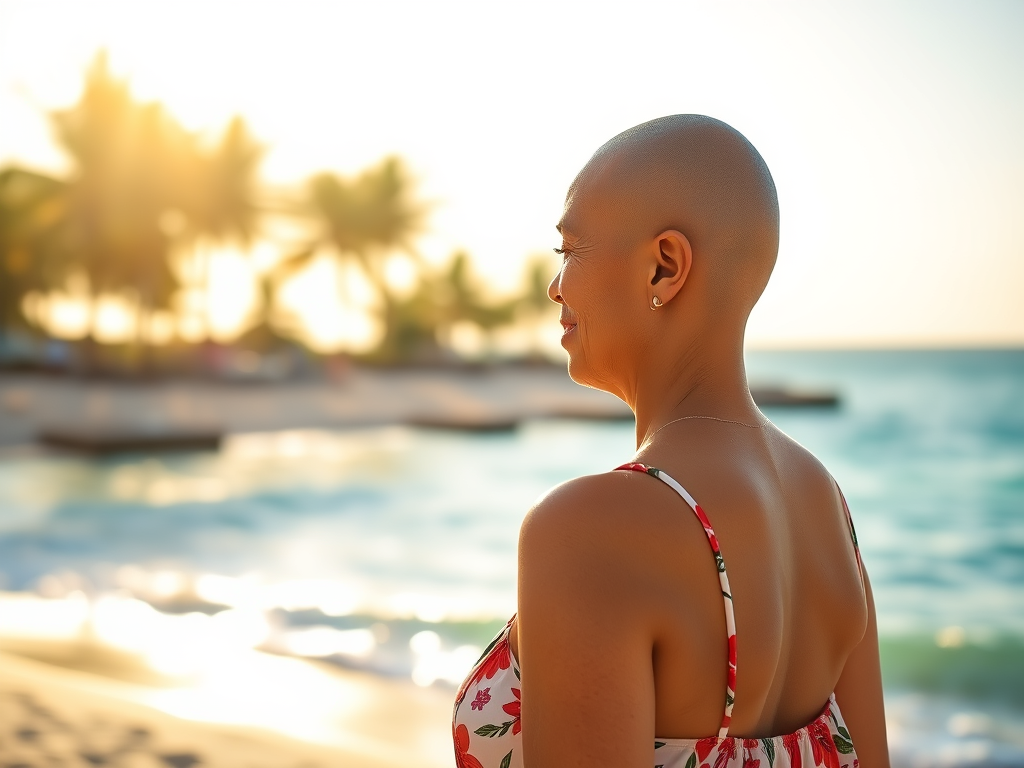
If oncology has taught me anything, it is this: life rarely goes according to plan. We assume there will be a better time. But what if this is the season? What would suddenly matter if life narrowed without warning? What are you postponing? Book the trip, start the class, write the book, wear your favourite perfume and that good dress, because being alive itself is a celebration. I urge all of you to live life with more intention. Tomorrow, when the alarm rings, remember one thing: ordinary is extraordinary. Have a good weekend. 😊
- Unauthorized use and/or duplication of this material without express and written permission from this blog’s author and owner is strictly prohibited. Excerpts and links may be used, provided that full and clear credit is given to [Surabhi Parashar] and [mindful-echoes.com] with appropriate and specific direction to the original content.
Copyright protection for computerized literary works applies automatically when a work is originally authored and fixed. ↩︎
 mindful-echoes
LikeLike