Copyright © [Surabhi Parashar] [2026]. All Rights Reserved.1
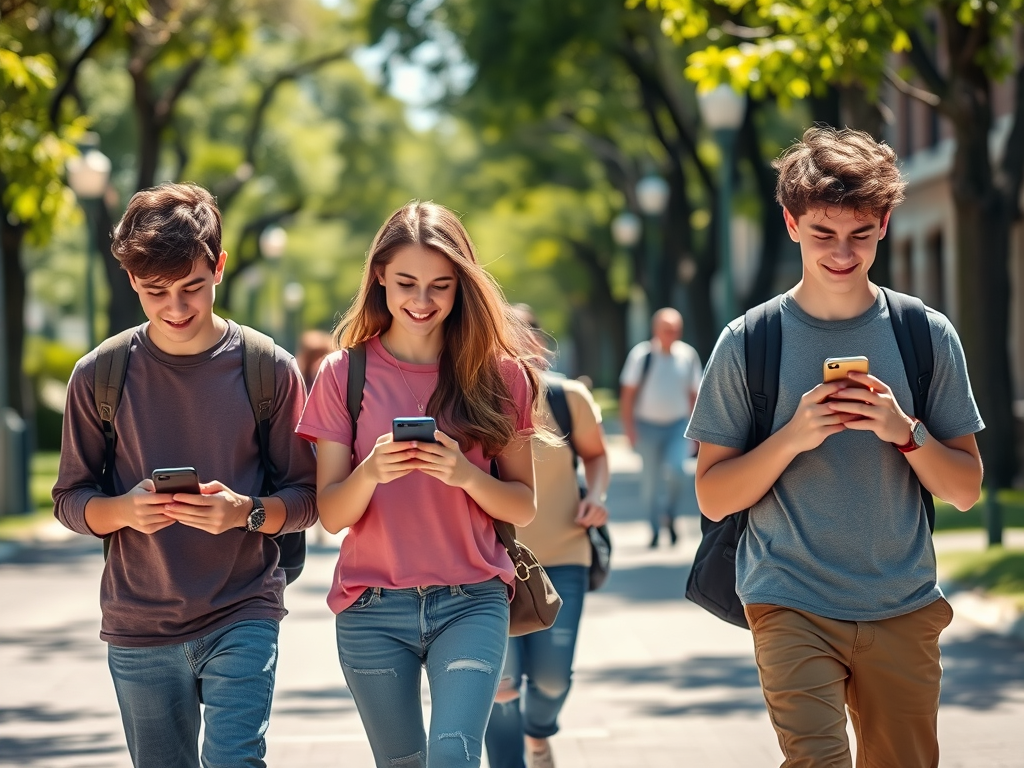
Instagram and Gen Z are almost inseparable. I guess that’s the reason why I came across a lot of content criticizing Gen Z regarding their phone etiquette. But why just Gen Z? Aren’t we all guilty of scrolling on our phones, watching Instagram reels or YouTube shorts? However, a popular claim floating around is that Gen Z is the first generation that’s less smart than the one before it. The story usually goes like this: Boomers were outperformed by Gen X, and Millennials raised the bar even higher. But Gen Z? Apparently, they’re the ones breaking the trend; they are too distracted, too sensitive, too glued to their phones. It’s an easy narrative to believe. But I know a couple of young Gen Zers who wouldn’t indulge in alcohol, talk openly about social issues, climate change and fight fiercely about topics that matter to them. So, before labelling an entire generation as “less capable,” I felt like asking a more honest question: are we actually measuring intelligence in a way that makes sense for today’s world?
So, here’s my two bits. When the question is about intelligence, then we have to consider the Flynn Effect. This phenomenon was observed by scientists throughout the 20th century, and it suggests that IQ scores rise by approximately 3 points per decade, which means that successive generations are better at abstract, scientific, and logical thinking. Improved education, nutrition, and environmental factors in developed countries are believed to be the cause of this effect. However, there is a recent claim that this effect has slowed, plateaued, or even reversed in some countries since the 1990s. Some studies in media headlines show temporary drops in school performance or IQ test scores during the COVID-19 pandemic. But these educational impacts really depend on the context and don’t indicate that Gen Z as a whole has lower cognitive potential or ability. A study performed on 10,000 U.S. adolescents shows ambiguous results regarding the Flynn Effect. And there is no convincing evidence that Gen Z is definitively “less intelligent” in any meaningful global, generational sense.
A big part of this misunderstanding lies in the gap between education systems and modern life. Schools still prioritize memorization, long attention spans, linear thinking, and following instructions exactly. These skills mattered in a slower, more predictable world. Whereas modern life rewards different skills, the ability to find and evaluate information quickly, adapt when plans change, collaborate across differences, and manage stress without burning out. Gen Z often excels at these real-world skills, even though they struggle in traditional classrooms. The older generations misread Gen Z because their intelligence is different from ours. Older generations often associate competence with patience, hierarchy, and formality. When Gen Z communicates differently, questions authority, or opts out of broken systems, it’s often misread as laziness or entitlement. In reality, many of Gen Z’s skills, like digital fluency, emotional boundaries, and systems awareness, are simply less visible in traditional settings. But they are exactly the skills today’s world demands.

Here’s what ChatGPT says about the four prominent generations that make up our current workforce.
Every generation adapts to the world it inherits.
- Boomers optimized for stability and structure
- Gen X for independence and skepticism
- Millennials for collaboration and meaning
- Gen Z for speed, adaptability, and systems awareness
This isn’t a decline. It’s evolution.
When we step outside narrow academic definitions, Gen Z’s strengths become clearer to us. To understand Gen Z’s habits and priorities, we also need to understand what truly matters to them.
Climate change is a defining issue. For Gen Z, it’s not a distant concern but a personal one that shows us how they think about the future.
They care deeply about economic stability. Having grown up amid student debt crises, unaffordable housing, layoffs, and inflation, they are practical and cautious. Financial literacy, side hustles, and flexible careers matter to them because stability feels uncertain.
Mental health is not taboo for Gen Z; it’s essential. They normalize therapy, talk openly about anxiety, and challenge systems that glorify overwork.
They are also highly attuned to fairness, inclusion, and representation. Gen Z tends to see social issues as systemic. One example is the support they give to the LGBTQ community, which older generations weren’t able to offer.
Gen Z is the first digitally native generation. And having grown up online, they are unusually aware of digital identity, privacy, and authenticity. They understand algorithms, recognize performative behaviour, and disengage quickly when something feels fake.
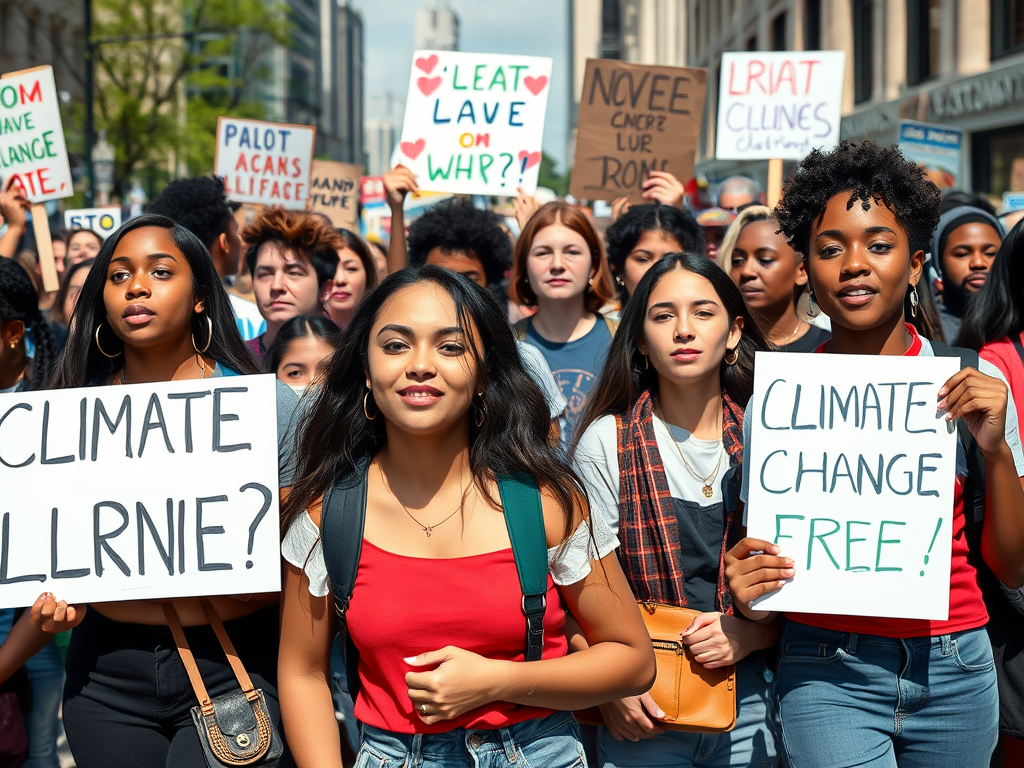
When I think about Gen Z, I don’t see a generation that lacks intelligence. I see a generation that’s asking harder questions much earlier in life. Questions about fairness, sustainability, mental health, and whether the systems we’ve inherited actually work. Their choices may look different from ours, their pace may feel unfamiliar, and their priorities may challenge our old values. This discomfort stems from a bigger psychological gap between the current generations; it has nothing to do with Gen Z’s abilities. Instead of asking why Gen Z doesn’t think like us? We should probably ask, what are they preparing for that we didn’t have to?
I hope I have given you enough to ponder over the weekend. Drop me a line in the comments section. I would really like to keep this discussion going. Have a great weekend!!! 😊
- Unauthorized use and/or duplication of this material without express and written permission from this blog’s author and owner is strictly prohibited. Excerpts and links may be used, provided that full and clear credit is given to [Surabhi Parashar] and [mindful-echoes.com] with appropriate and specific direction to the original content.
Copyright protection for computerized literary works applies automatically when a work is originally authored and fixed. ↩︎
 mindful-echoes
I have two children who are considered Millennials and one who is considered a Gen Z. I see the differences and the similarities you talk about. My Gen Z daughter is definitely more in tune with what is going on and isn’t afraid to challenge the “status quo.” My Millennials, on the other hand, complain about the unaffordability of housing, high prices, you name it and you can talk until you’re blue in the face about inflation in the early 80s and unaffordability while they argue otherwise. I’m not sure about how they collaborate as Millennials? Now, I’m not inclined to believe everything they say about boomers since the “experts” have included such a large number in that category. Those who are the last of the “baby boomers” may not consider themselves in such a strict group. As for intelligence, the parents may have something to do with their successive generations ability to outperform those who are older than Millennials or Gen Z’s. I do agree with your perception about how Gen Z is intelligent in different ways. They have had to deal with a lot in their short time.
LikeLiked by 1 person
You are right, every generation had their own issues to deal with. I totally agree that you don’t relate to baby boomers generation. The younger people in each generation can relate to both, their own generation and the upcoming one. I am glad you enjoyed reading my blog. Thanks.
LikeLike
Very well explained the difference in generations and yes we should definitely don’t underestimate the intelligence ig gen z merely in their behaviour of using online gadgets.
LikeLiked by 1 person
Thanks Adarsh, I am glad you enjoyed reading it.
LikeLiked by 1 person
Very relating
LikeLike