Copyright © [Surabhi Parashar] [2026]. All Rights Reserved. 1
Happy Gudi Padwa and Ugadi to all!!!
From Kashmir to Kerala and Punjab to West Bengal, all across India, this festival is celebrated in the month of March/April. People in Kashmir call it “Navreh,” while a similar celebration is termed as “Vishu” in Kerala. In West Bengal and Punjab, the festival name sounds a little similar, “Pohela Boishakh” and “Baisakhi”. If you’re interested, look up online for a full-fledged list. Every state in India probably has a different name for it. These festivals not only mark the Hindu New Year and Spring Equinox, but also the celebration of the harvest season in India.
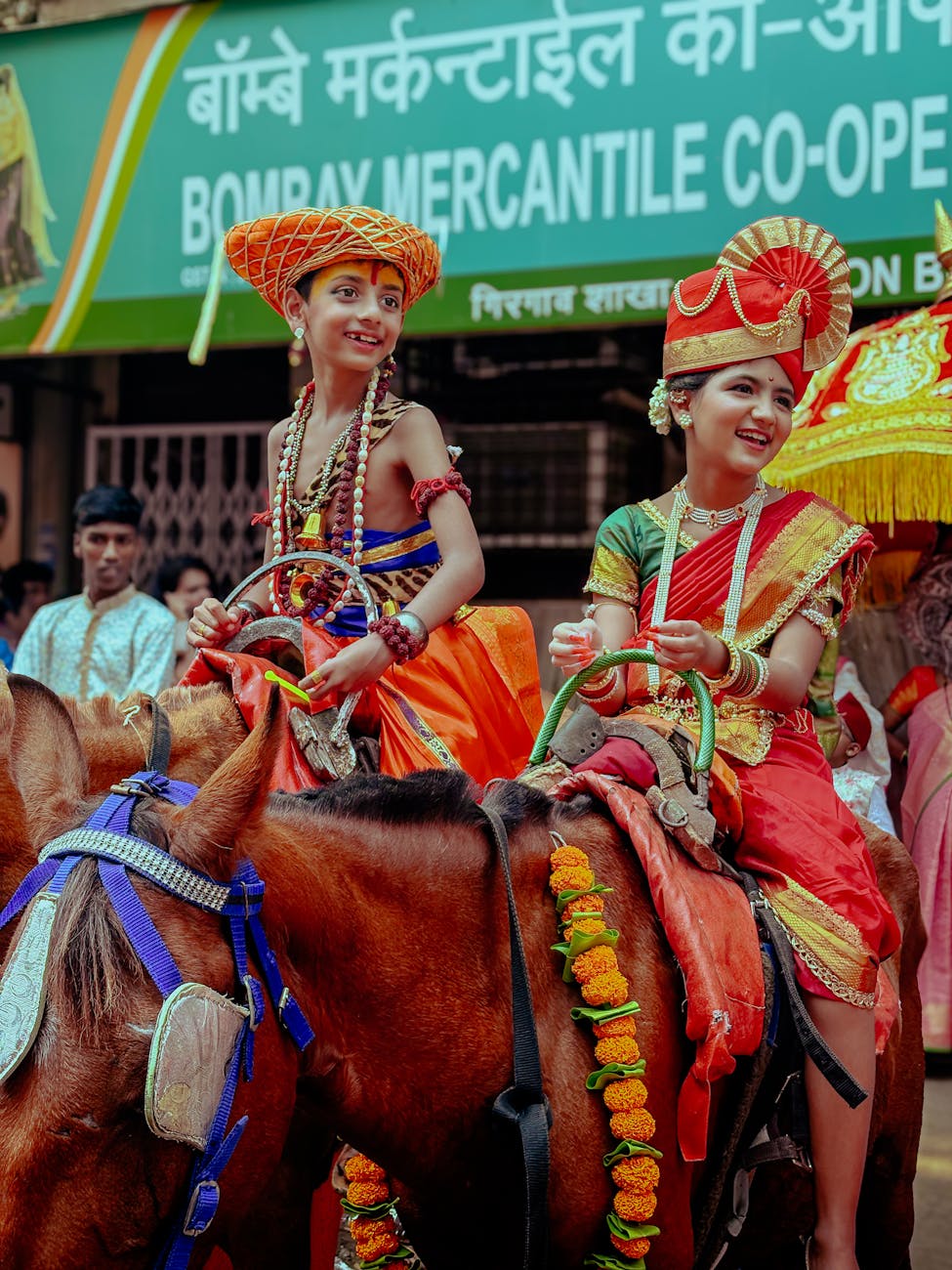
You must be thinking, “Why am I suddenly so Interested in a spring festival?” It’s not like Diwali, Christmas or Eid when we all exchange gifts. Who doesn’t like gifts? Gudi Padwa doesn’t involve gifts, and it is definitely less acknowledged by the Western world or today’s youth. And that’s exactly the reason why I wanted to delve into the story behind this celebration.
The Indian calendar is a lunisolar calendar, which means it is neither lunar nor solar. Indians and Chinese have mastered the art of not disappointing anyone 😊. In a lunisolar calendar, the months are calculated by moon cycles, whereas the seasons are aligned to the solar year. Gudi Padwa is the celebration of the Hindu New Year and the beginning of time.
The Hindu Trinity Gods are a little different from “the Father (the Creator), the Son (the Redeemer) and the Holy Spirit (the Sanctifier)”, but the essence is the same. We have Brahma the Creator, Vishnu the Preserver and Shiva the Destroyer symbolizing the complete cycle of life. It is believed that Lord Brahma created the universe and introduced the concept of time, which marks the festival of Gudi Padwa. It makes perfect sense to me to celebrate the New Year on the day when time itself was introduced for the first time.
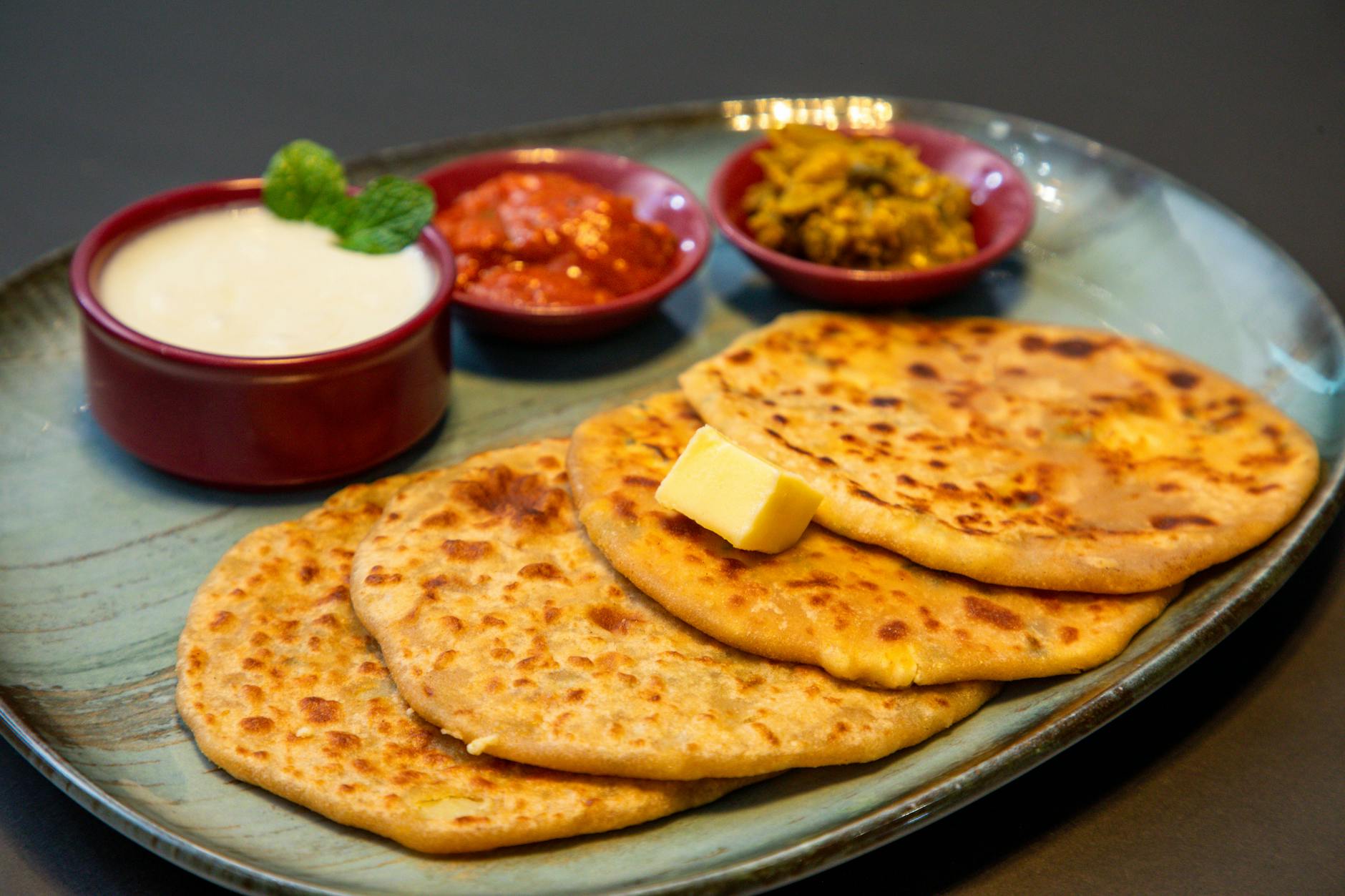
Growing up, I celebrated Gudi Padwa with my family and after marriage, I embraced Telugu food and traditions into my Ugadi/ Gudi Padwa celebrations. We pray to God and put a “Gudi” (Brahma’s flag) and rangoli in front of our house. Sweet dishes like puran poli, srikhand and dal made from raw mango make the day even more special. A special prasad prepared from neem leaves, tamarind, jaggery, and salt is offered to God, which represents all the bittersweet flavours of life.
Festivals are all about having a good time. Whether you follow all the rituals and traditions to the core or just dress up and do the fun part, don’t forget to spend some quality time with your family this weekend 😊.
- Unauthorized use and/or duplication of this material without express and written permission from this blog’s author and owner is strictly prohibited. Excerpts and links may be used, provided that full and clear credit is given to [Surabhi Parashar] and [mindful-echoes.com] with appropriate and specific direction to the original content.
Copyright protection for computerized literary works applies automatically when a work is originally authored and fixed. ↩︎
 mindful-echoes