Copyright © [Surabhi Parashar] [2026]. All Rights Reserved.1
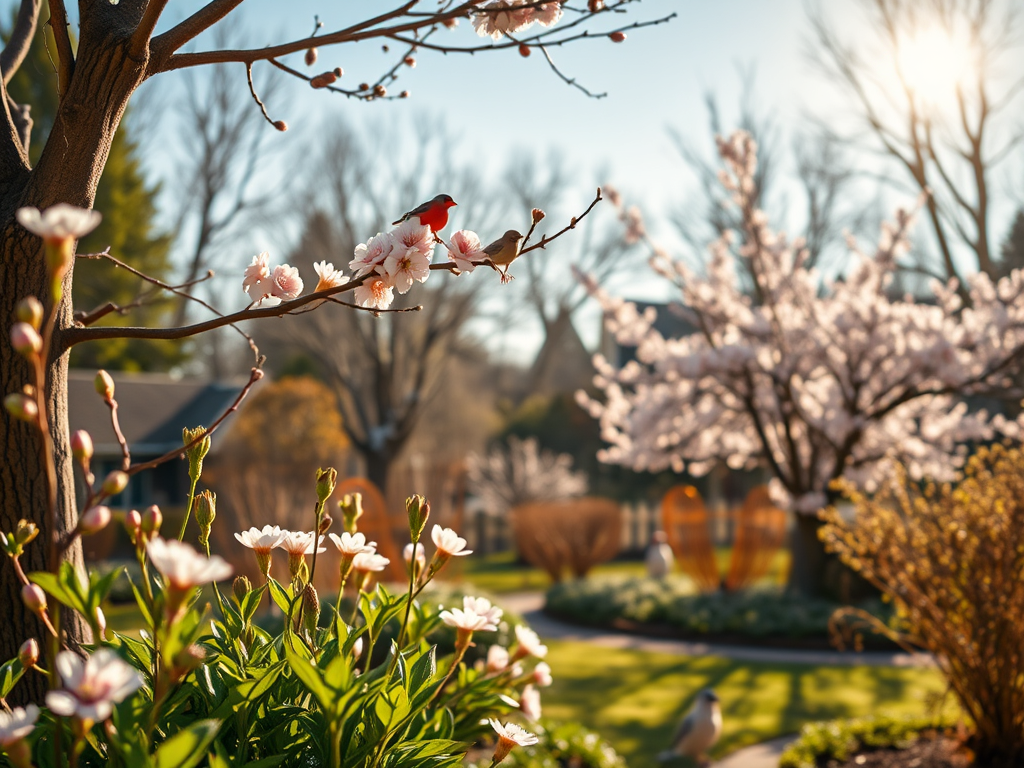
Spring doesn’t seem to be springing this year. It feels as if the season is negotiating its arrival. A bud here, a brighter evening there, the light lingers a little longer, forcing winter to loosen its grip. It’s technically here, but it hasn’t fully committed. Still, the calendar insists that we move forward. Even when the weather drags its feet, certain dates gently nudge us forward.
Across North America, people follow Groundhog Day to see whether a drowsy groundhog emerging from hibernation predicts an early spring or six more weeks of winter. The predictions are rarely accurate, but that’s hardly the point. It gives us something to anticipate, a small, shared moment in the middle of the cold. Then comes Daylight Saving Time (Spring forward and Fall Back!), we move our clocks an hour ahead in the spring. Of course, we grumble about the lost sleep, but secretly we welcome those longer days, that subtle stretch of possibility. Somehow, that additional stretch of daylight makes everything feel more achievable. Soon after, the March equinox marks the official beginning of spring, when day and night are equal before the days begin to outgrow the darkness. Around the same time, kids begin to count down the days to Spring Break. It’s such a hopeful sign of change, and we can all relate to that excitement and anticipation for a little break and some fun!

I, for sure, start looking forward to my morning walks! There’s just so much to enjoy, like the cheerful birds singing, the fresh green buds popping up, the colourful flowers blooming, and that lovely, warm sunshine. It’s amazing how all these little things can brighten your day and make you feel connected to nature! It is easy to assimilate good habits into your routine at this time. This brings me to the topic I wanted to write about this time. I was recently talking to my best friend, and she insisted that I should write about doomscrolling. She is a bioinformatics scientist and spends most of her day in front of a computer screen. She was furious that she wasn’t able to stop her habit of nightly scrolling on Instagram. And as it goes between friends, I joked about her glasses and that her future is dim if she didn’t stop scrolling, and she joked that I need to update my outdated Samsung phone if I want to exist in the age of AI.
Ah, the friendly banter! But it’s true that we all are addicted to binge-watching Netflix or doomscrolling on Instagram and YouTube. And if you haven’t already noticed, after a while, everything becomes recurrent. You get similar suggestions over and over again on Netflix and Instagram reels on the same topics you watched once. The algorithm doesn’t understand the human need for change, but the dopamine hits while watching them keep us glued to our devices. I have tried to control my own bedtime scrolling. Ironically, I used to watch the reels telling people to sleep on time and how late-night scrolling and the light from the screen affect our sleep. We all know what to do, how to eat healthy, how important sleep is and how to incorporate discipline into our lives. Yet, we are unable to follow through. Thanks to Instagram and YouTube, we have a tremendous amount of information about anything and everything at our fingertips. And that too served to us in tiny bits, easy to memorize and follow. So, why are we still slaves to our doomscrolling? I don’t have a definite answer to it. But I am determined to stop scrolling mindlessly from now on. I will tell you what worked and what didn’t for me. Last summer, I decided to go cold turkey on YouTube Shorts. One step at a time. I just didn’t open my YouTube app before bedtime. And it worked. I didn’t give up Instagram, though. Getting rid of Instagram seems a bit more difficult because it is also a social platform for sharing your own achievements. Be it a new dress or a fancy food, posting pictures and following through with the number of likes gives everyone a celebrity-like feel. You are not just a consumer on Instagram; you’re involved at a personal level.
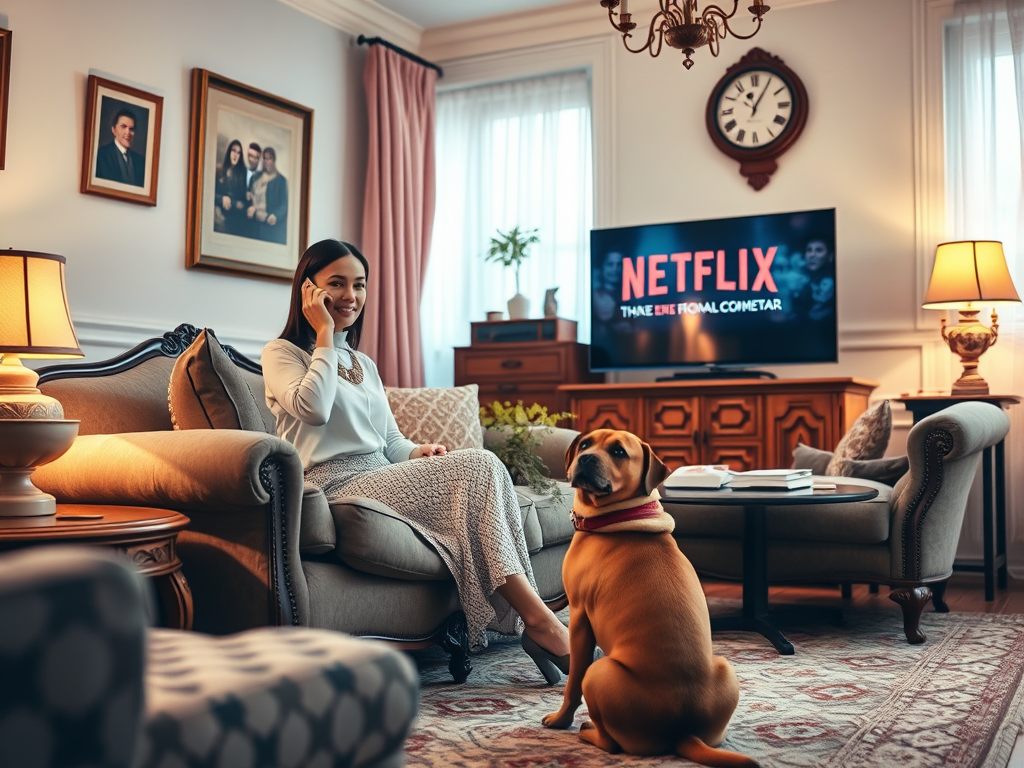
By reducing my YouTube scrolling, I definitely saved a lot of time, which I now use to read my books. I love reading, so I kept my favourite books by my bedside table, ready to be picked up before I get the urge to scroll. Earlier, I used to regret that I could never find time to read. My husband, on the other hand, uses this time to listen to his favourite podcasts; at least he is not looking at the screen.
One of my New Year’s resolutions was to cut down on Instagram; I did very well for the month of January, but then I got caught up again. Instagram would send notifications of stories from my friends, and I also share my blog links on Instagram. So, it got really hard to resist and not look. As ironic as it sounds, I turned to ChatGPT as my last resort. Here’s what it says:
- Set a Daily App Timer
- Move the App Off Your Home Screen
- Choose specific time windows when scrolling is off-limits
- Turn Off Non-Essential Notifications
- Be intentional before opening the app, ask why?
- Don’t let the algorithm learn your interests, unfollow accounts/do periodic clean-ups.
Some psychological tips that may work better:
- Make the App “Ugly”: switch your phone to grayscale, no visual rewards, no dopamine.
- Add a 10-Second Pause Rule: pause for 10 seconds before opening the app, ask your intention and make a conscious choice.
- Use the “Parking Lot” Trick: Instead of opening the app right away, write it down and schedule it for later. You learn the power to restrain.
- Log out of the app every day: That extra friction of entering your password again dramatically reduces impulsive use.
Now, I haven’t used any of these tips myself, but I plan to find out whether they work or not. Let me know your experience. I would love to hear what worked for you. Have a good weekend. 😊
- Unauthorized use and/or duplication of this material without express and written permission from this blog’s author and owner is strictly prohibited. Excerpts and links may be used, provided that full and clear credit is given to [Surabhi Parashar] and [mindful-echoes.com] with appropriate and specific direction to the original content.
Copyright protection for computerized literary works applies automatically when a work is originally authored and fixed. ↩︎
 mindful-echoes