Copyright © [Surabhi Parashar] [2026]. All Rights Reserved.1
Lately, there has been a lot of debate about the use of AI-driven technologies and the future of humanity. Well, the claims are not completely baseless and stem from the arguments presented by Geoffrey Hinton. In his Nobel Banquet Speech, “The Father of AI,” Geoffrey Hinton himself highlighted the immediate dangers of AI technology. He has pointed towards the danger of a power shift from biological intelligence to artificial intelligence. He even went on to claim that there is a chance of AI taking over the world and the extinction of humanity in the near future. While exact consequences remain to be seen, I would like to bring your attention to a fundamental attribute of human beings. Dreaming, yes dreaming, human beings are the only species that can dream. Before any idea takes root to become a reality, someone has to dream about it. Every scientific discovery, technological innovation, and societal change begins with a bold vision. In my opinion, our society needs more dreamers and visionaries.

Art creates a vision, and science brings it to fruition. Time and again, we have witnessed the brilliance of futuristic books, movies and paintings. One of my favourite sci-fi movies, Gattaca, which I’ve mentioned before on my blog, is set in a near-future world where children are conceived through genetic selection. The goal is simple: to ensure they inherit the “best” traits from their parents. The film raises concerns about reproductive technologies that support eugenics and the possible effects of these technologies on society. In 1997, it was such a radical idea. I had never seen such a topic discussed before. If this theme intrigues you, I would also recommend The Island (2005) and Never Let Me Go (2010), my weekend picks for anyone curious about dystopian worlds shaped by artificial genetic selection. In each of these stories, the pursuit of genetic “perfection” becomes not just desirable, but obsessive. Considering the advent of AI-driven technologies, this doesn’t seem like fiction anymore. Yet beneath that plausibility lies an unsettling question: what happens to a society that begins ranking human worth at birth? Although moviemakers projected these futures onto the screen, the ideas themselves are not new. They trace back to the history of Eugenics, a movement that emerged in the late 19th century in the United Kingdom with the stated aim of improving the genetic “quality” of the human population. By the twentieth century, the world witnessed the devastating consequences of such thinking when Adolf Hitler’s ideology of racial “purity” led to forced sterilization and genocide. Eugenics was basically scientific racism that involved the selection of individuals deemed particularly “fit” to reproduce, and the prohibition of marriage and forced sterilization of people deemed “unfit” from reproduction.
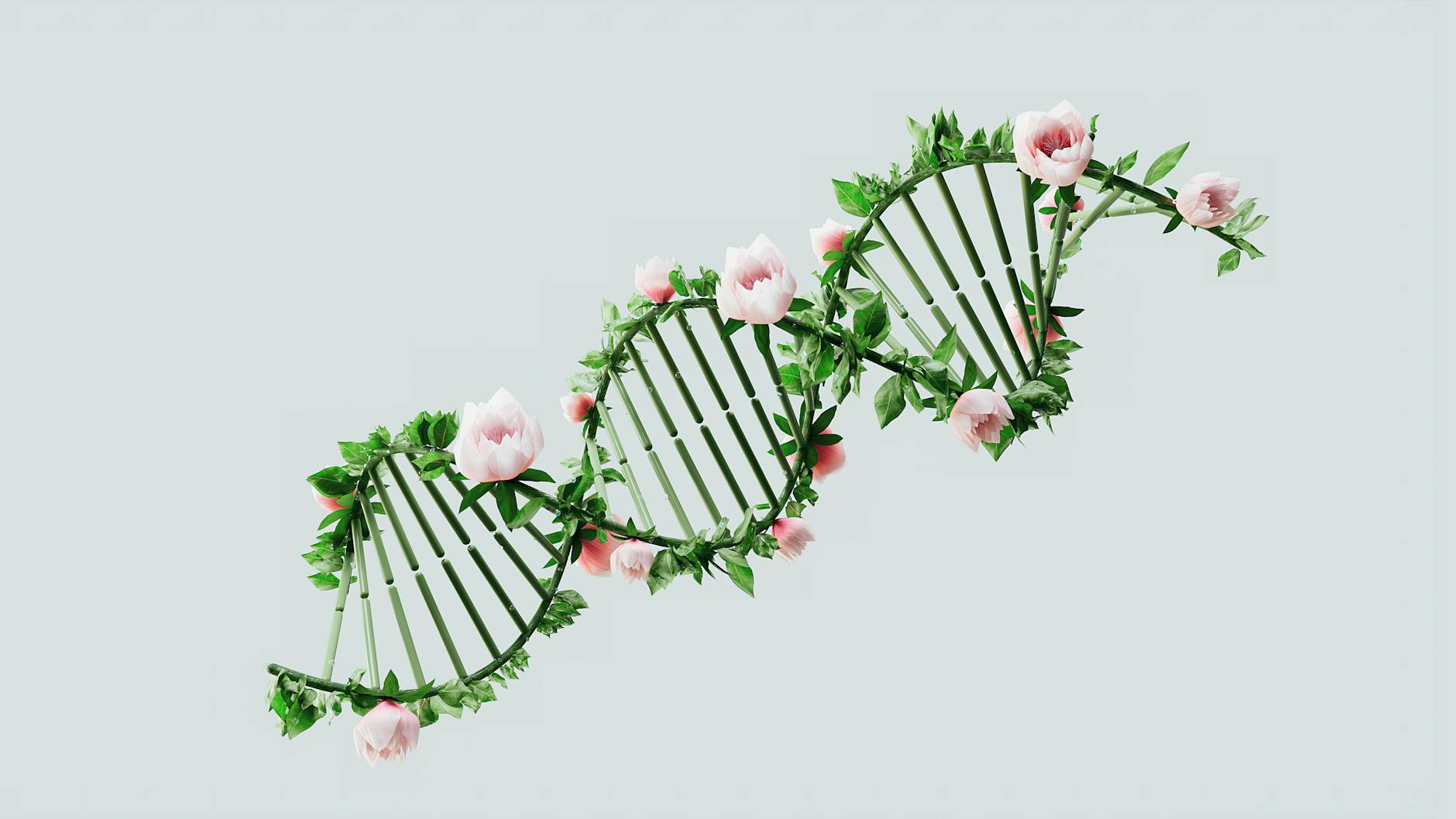
Let’s rewind a bit and look back at the “Theory of natural selection”. When Charles Darwin introduced his theory of biological evolution, he explained the mechanism through which environmental factors favour the survival of organisms with traits that are better adapted to their surroundings. With that said, the most notable deduction from his theory was “the survival of the fittest,” which meant that the struggle for existence leads to a competition for resources, and the individuals who adapt well or have a genetic advantage over others tend to survive. Here’s a breakdown to understand all the concepts easily:
- Darwinism = natural selection via survival & reproduction
- Artificial selection = humans choosing traits (Ex. Hybrid vegetables)
- Eugenics = political/social enforcement of selective reproduction
While Darwinism is biological evolution when nature is at play, eugenics is extreme interference by humans. Thankfully, modern genetic medicine explicitly rejects the eugenics ideology. This brings us to the much-awaited question: where does artificial selection by AI fit into this context? In my opinion, AI isn’t trying to create “perfect” humans; it’s helping prevent suffering. For example, during IVF, doctors use Preimplantation Genetic Testing (PGT) to screen embryos for serious inherited diseases before implantation. AI helps analyze genetic data to identify embryos that are free from specific conditions and more likely to result in a healthy pregnancy. Then there’s Polygenic Risk Scoring (PRS), where AI studies thousands of genes to estimate someone’s risk for illnesses like heart disease, diabetes, certain cancers, or even some mental health conditions. It’s important to note that these tools predict risk factors. They don’t guarantee outcomes. In research, genomics companies like 23andMe, Illumina, and DeepMind use AI to detect specific patterns in DNA, understand how proteins fold, and discover new disease pathways. This speeds up medical breakthroughs; it’s about treatment and prevention, not selective breeding.
And no, AI cannot reliably select “better” humans. Traits like intelligence, personality, or athletic ability depend on thousands of genes and a huge influence from environment and upbringing. AI can estimate health risks, but it cannot design superior people. There’s a big difference between preventing a life-threatening disease and trying to engineer perfection. All the modern machines which make our life easier today were just a dream one day. A few bold scientists brought them to reality.
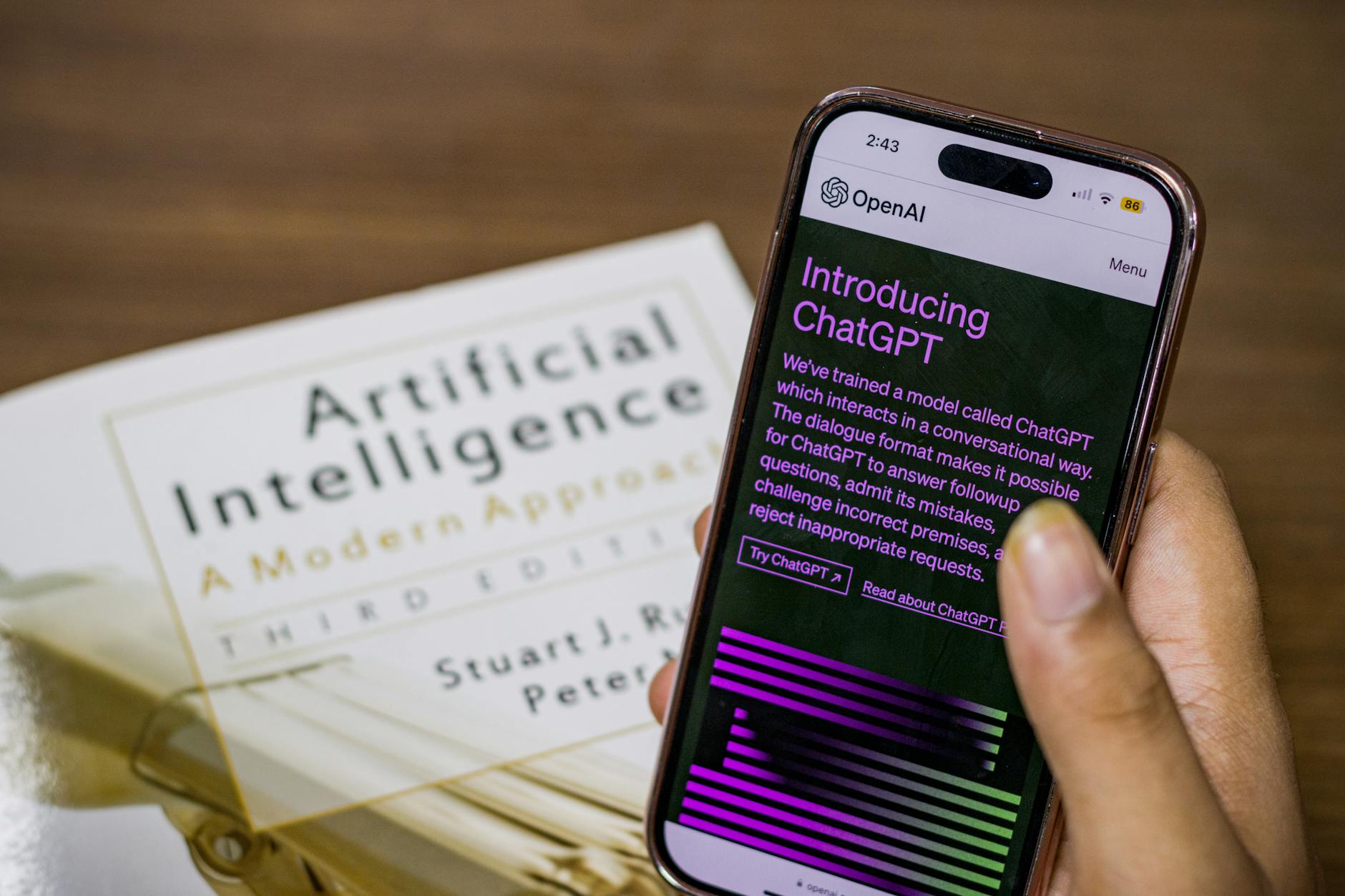
The most distinctive trait that sets scientists apart from others is their innate desire for innovation. Science and research should not be viewed through a lens of good or bad; they are neutral and unbiased. Instead, it is the consequences of scientific endeavours that must be managed and directed toward a greater good for humanity. J. R. Oppenheimer, “father of the atomic bomb,” once mentioned to US President Harry Truman, “I have blood on my hands”. He later became the biggest advocate of international control of nuclear energy and opposed the development of the more destructive hydrogen bomb. Albert Hoffman is known for his discovery of LSD, the famous psychedelic drug, which he refers to as “LSD, My Problem Child.” Geoffrey Hinton is no different; he has devised the world’s most powerful technology, “The AI”. However, he understands the concerns surrounding AI and feels it is important to warn others about its potential negative impacts.
Being an optimist, I always tend to lean on positivity. I would like to highlight the latest from the world of AI. Hinton has gone beyond just warning to suggest safety solutions for the future of AI. He has proposed: Hard-Coding “Maternal Instincts” into AI models, International “Compute” Monitoring, and 30% of R&D budget allocation to safety research as mandatory regulations by the government. Before I conclude my blog, I invite you to look up Yann LeCun (Chief AI Scientist at Meta) and his counterarguments in favour of AI. Let me know in the comments, do you still feel AI is dangerous, and humanity is on the verge of extinction? 😊
- Unauthorized use and/or duplication of this material without express and written permission from this blog’s author and owner is strictly prohibited. Excerpts and links may be used, provided that full and clear credit is given to [Surabhi Parashar] and [mindful-echoes.com] with appropriate and specific direction to the original content.
Copyright protection for computerized literary works applies automatically when a work is originally authored and fixed. ↩︎
 mindful-echoes