Copyright © [Surabhi Parashar] [2024]. All Rights Reserved.1
I live in a Catholic neighborhood, and one of the best Catholic schools in the city is nearby. It is no wonder, I often encounter elderly Catholic folks during my morning walks. Today, I met an old gentleman who had lost his key, and I helped him find it. As we walked back, we started talking. He asked me if I was a Middle Eastern girl and guessed that I was from Iran or Iraq, as he was certain that I didn’t look Indian. As we reached a point where our paths diverged, he wanted to thank me for finding his keys and gave me his blessings. He said, “May Jesus Bless You – even though you don’t believe in my God!” I simply replied that I believe in his God and that Christmas is one of my favorite festivals.

This conversation inspired me to write and explore my own views on one of the frequent media topics these days “Woke culture”. I didn’t feel bad about anything the old man said. He was probably 80 years old and definitely didn’t have a clue about our new “Woke culture”. First, he said I can’t be from India because my skin color is way too light. Second, he made a religious comment assuming that as a Hindu, I may dislike Christianity. If this were an office colleague, I could have easily reported this to HR or bad-mouthed him to the point that the whole office boycotted him socially.
Woke culture and the term “Woke” have been around for quite some time, with the term most recently mentioned in the media in 2010. Basically, “Woke culture” refers to a social movement that emphasizes awareness of social justice issues, particularly those related to race, gender, and inequality. It originated from the term “woke,” meaning being alert to discrimination and injustice, especially around systemic racism. Over time, it has expanded to include activism around LGBTQ+ rights, feminism, climate change, and other progressive causes. “Woke” has also become a polarized term. Some view it positively as a call to action for social change, while others criticize it as overly sensitive or performative, labeling it “cancel culture” when it involves public shaming or boycotting individuals for their views.
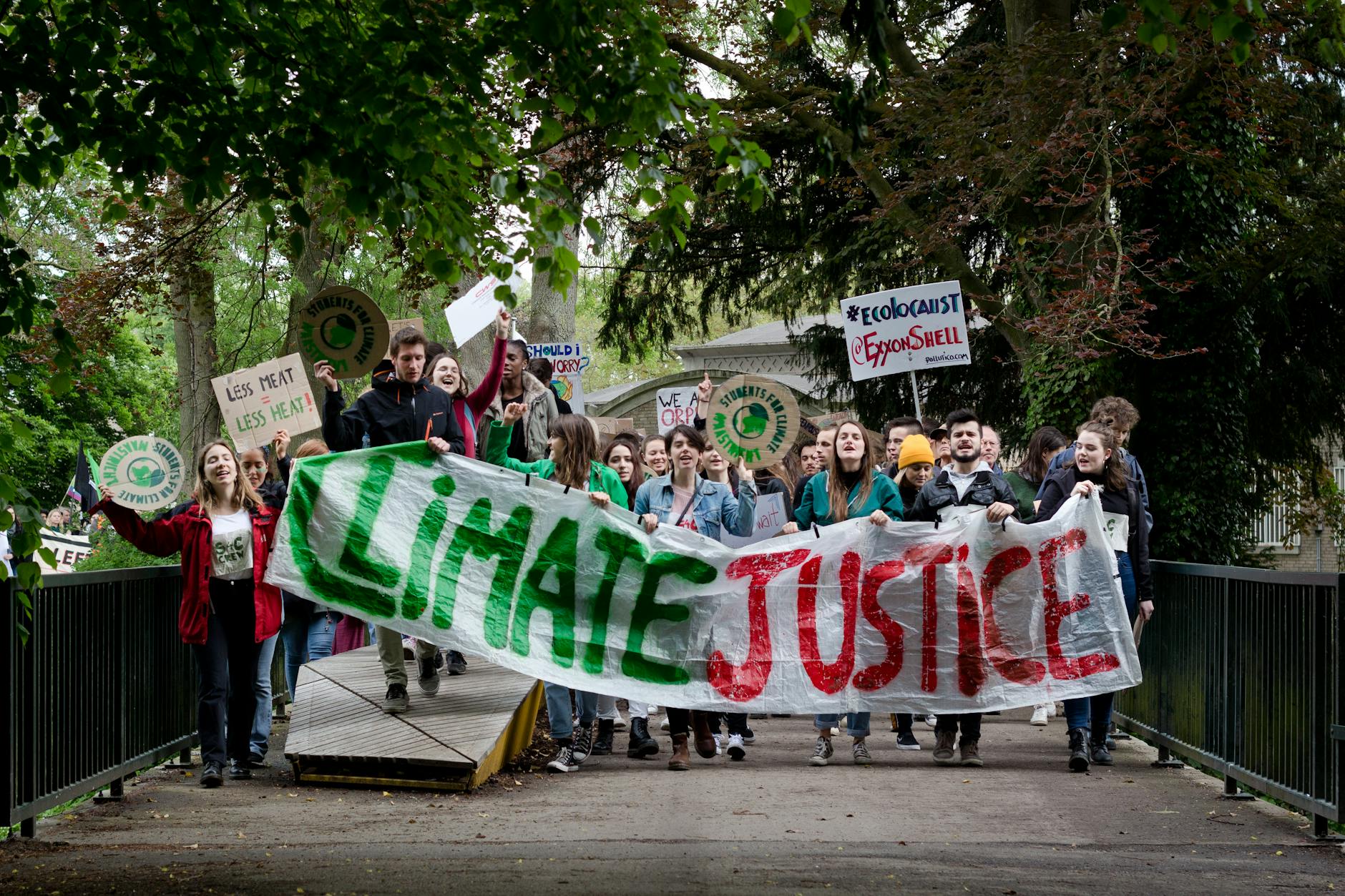
“Woke culture” has led to some fascinating and thought-provoking moments across media, entertainment, and social platforms.
- The Rise of “Cancel Culture”: One of the most notable phenomena tied to “Woke culture” is cancel culture, where public figures or companies face boycotts or backlash for offensive behavior or comments.
- #MeToo Movement: The #MeToo movement, which gained momentum in 2017, is often considered part of “Woke culture”, as it brought attention to sexual harassment and assault, especially in powerful industries like Hollywood.
- Statue Removal Movements: “Woke culture” has also played a role in challenging historical narratives, especially around statues and monuments. In the U.S., the removal of Confederate statues became a major issue, with activists arguing that these monuments glorify racism and oppression.
- Cultural Sensitivity in Comedy: Comedy has faced a significant shift due to “Woke culture”, with many comedians and TV shows reevaluating jokes that could be considered offensive.
- Hashtags and Social Movements: Hashtags like #BlackLivesMatter, #StopAsianHate, and #TimesUp have become powerful tools in “Woke culture”, allowing movements to spread rapidly across social media. These hashtags often serve as rallying cries for real-world protests and actions.
- Fashion Brands and Cultural Appropriation: Fashion has become a focal point for debates around cultural appropriation, a key topic within “Woke culture”. Brands like Gucci, H&M, and Marc Jacobs have faced criticism for using cultural symbols or clothing in ways that were seen as disrespectful to the origins of those traditions.
- Corporate Activism and “Woke-Washing”: Corporations have increasingly embraced “Woke culture”, often publicly supporting social justice causes, especially after major incidents. However, this has led to accusations of “woke-washing”—when companies make performative gestures toward activism without making any meaningful changes.
These examples illustrate the widespread influence of “Woke culture” on various aspects of society, from entertainment and fashion to corporate practices and political movements. While “Woke culture” has sparked significant social change, it has also led to complex debates about free speech, identity, and the future of activism. I feel that “Woke culture” can evolve and likely will, in due time. As woke culture matures, it may develop a more nuanced approach to social justice issues. People often argue that “Woke culture” can be overly rigid, quick to judge, or dismissive of opposing viewpoints. Over time, it might evolve to encourage more open dialogue and understanding, allowing for constructive debate that fosters change without canceling or boycotting people.
- Unauthorized use and/or duplication of this material without express and written permission from this blog’s author and owner is strictly prohibited. Excerpts and links may be used, provided that full and clear credit is given to [Surabhi Parashar] and [mindful-echoes.com] with appropriate and specific direction to the original content.
Copyright protection for computerized literary works applies automatically when a work is originally authored and fixed. ↩︎
 mindful-echoes