Today in search of a new topic to write and not feeling any peculiar mood, I was having my morning coffee and thought, why not write about coffee? I am an all-in-all coffee fanatic, but I’ve given up my evening cup of joe, which I used to drink without any time restrictions a few years ago. Coffee is the most popular beverage worldwide, and I believe no other drink will claim that title soon. My favorite at-home coffee blends are “Starbucks Pike Place,” “Van Houtte House Blend,” and “Second Cup;” I would like everyone to know that “Tim Hortons” is not the only coffee that Canadians enjoy. If you ever travel to the USA, India, and Turkey, I suggest trying “New Orleans Coffee,” “Kumbakonam Filter Coffee,” and “Turkish Coffee” too.

So much has already been said about coffee that there is probably nothing new to add. Coffee lovers even know about the famous Kopi Luwak coffee. And those who don’t, let me tell you… It is made from a cat’s poop after it eats the coffee fruit. Here are some other fun facts about coffee:
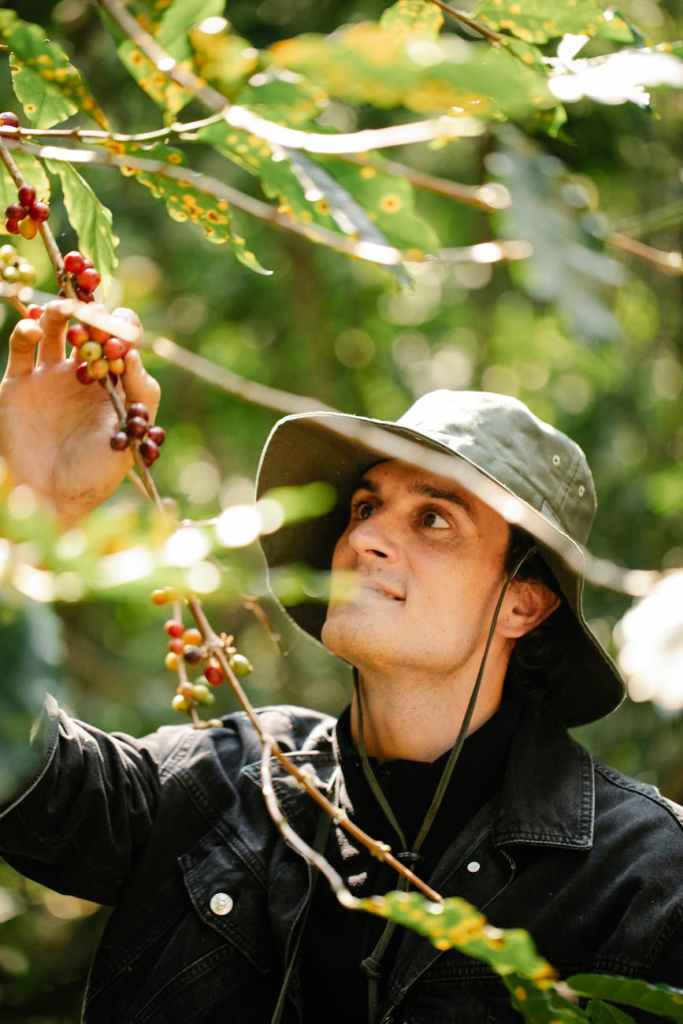
- Coffee beans: are not beans, they are the seeds that come out from the cherry of the coffee fruit.
- Coffee “The Name”: comes from the Arabic term “qahwah,” which became “Kahve” in the Turkish language, and then the Dutch started calling it “koffie,” which eventually became coffee in English.
- Discovery: Coffee was discovered by an Ethiopian goat herder who noticed unusual behavior in his goats after they ate the coffee fruit.
- In space: Astronauts drink coffee out of specially designed coffee bags because of obvious reasons. So, you see that even some of the most brilliant minds cannot give up on their java.
Now, since I love coffee, I want to ensure coffee lovers can enjoy their coffee without contributing to a large carbon footprint. Coffee is more than just a beloved beverage; it’s a global cultural phenomenon. With millennials and Gen Z leading the charge toward more sustainable living, the coffee industry is responding with innovative, eco-friendly practices that not only satisfy our caffeine cravings but also help protect our planet. Let me share some of the most exciting sustainable trends in coffee culture today.
1. From Bean to Biofuel: The Power of Coffee Husks
One of the most remarkable eco-friendly innovations in the coffee industry is the use of coffee husks, also known as cascara. Traditionally, these husks were discarded as waste after the coffee beans were extracted. However, forward-thinking companies have found ways to repurpose this byproduct into a range of sustainable products. Coffee husks are now being transformed into biodegradable packaging, reducing plastic waste, and even converted into biofuel, offering a renewable energy source. This not only reduces environmental impact but also provides an additional income stream for coffee farmers.


2. Upcycled Coffee Grounds: Beyond the Bin
Your used coffee grounds are more valuable than you might think. Instead of tossing them in the trash, upcycling coffee grounds has become a popular trend. These grounds are being repurposed in various creative and sustainable ways. For instance, they can be used as a natural fertilizer in gardening, enriching soil with essential nutrients. Moreover, coffee grounds are finding their way into beauty products, such as exfoliating scrubs, and even into the creation of eco-friendly coffee cups and furniture.
3. Sustainable Farming Practices: Protecting the Planet
Sustainable coffee farming practices are gaining traction, focusing on reducing the environmental footprint of coffee production. Shade-grown coffee, for example, involves growing coffee plants under the canopy of native trees, preserving biodiversity and preventing deforestation. Additionally, many coffee farms are transitioning to organic farming methods, avoiding harmful pesticides and fertilizers. This not only protects the environment but also ensures that the coffee we drink is free from harmful chemicals.
4. Ethical Sourcing: Fair Trade and Beyond
Ethical sourcing is another critical aspect of sustainable coffee culture. Fair Trade certifications ensure that coffee farmers receive fair wages and work under safe conditions. However, many companies are going a step further by establishing direct trade relationships with coffee growers. This direct engagement allows for greater transparency, better quality control, and ensures that more of the profit goes directly to the farmers. By supporting ethically sourced coffee, consumers can enjoy their favorite brew knowing that it contributes to the well-being of the people who grow it.
5. Innovative Coffee Shops: Leading the Way in Sustainability
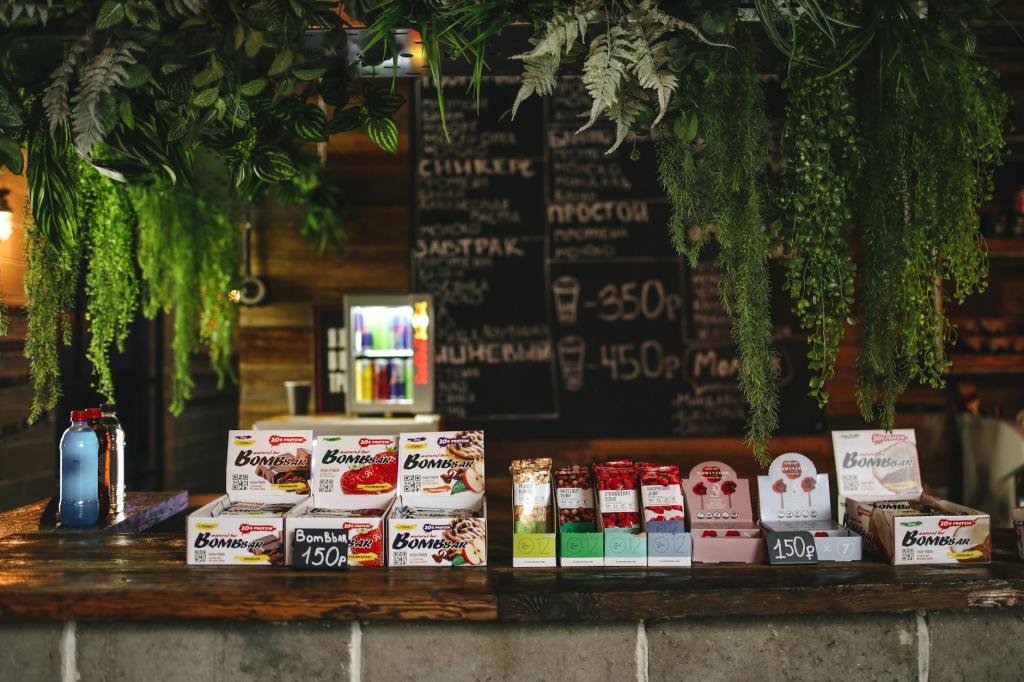
Coffee shops are also embracing sustainability in innovative ways. From using recyclable or compostable cups to offering discounts for customers who bring their own reusable mugs, these initiatives help reduce waste. Some cafes are even implementing zero-waste policies, ensuring that every part of the coffee-making process is as sustainable as possible. Also, the rise of plant-based milk alternatives caters to the growing number of environmentally conscious consumers, reducing the carbon footprint associated with dairy production.





As you sip your next cup of coffee, take a moment to appreciate the incredible journey it has taken to get to you. From sustainable farming practices to innovative uses for coffee byproducts, the coffee industry is making significant strides toward a greener future. So, enjoy your brew, knowing that each sip supports an eco-friendly and more sustainable world.

Cheers to a brighter, greener future with every cup of coffee!
 mindful-echoes