
Psychedelics have gained popularity again in recent years, capturing the curiosity and interest of a new generation. But they are not new; these fascinating substances have been part of our world for ages. Ancient cultures, even the Pagan religions, have long documented evidence of psychedelic use. Shamans from the indigenous tribes of the Amazon to the Mystics of ancient Greece, have long utilized psychedelics in their spiritual and healing practices. The use of psychedelics is prevalent across Asia too. In India, mild cannabis products like bhang and ganja are commonly used during religious festivals and traditional ceremonies. Similarly, in China, mild teas and concoctions are integral to Traditional Chinese Medicine, showcasing the diverse ways psychedelics have been woven into the fabric of human history. These substances were revered for their ability to induce profound, transformative experiences, facilitating deeper connections to nature, the self, and the divine. Today, as modern science begins to unravel the complex effects of psychedelics on the human brain, we are witnessing a renaissance in their use, not just recreationally, but also in therapeutic settings to treat mental health conditions such as depression, PTSD, and anxiety. This resurgence is fueled by a growing body of research that highlights the potential benefits of psychedelics, ushering in a new era of understanding and appreciation for these ancient tools.

The term “psychedelics” was coined by British psychiatrist Humphry Osmond in 1957. He introduced the term during correspondence with writer Aldous Huxley. The word “psychedelic” is derived from the Greek words “psyche” (mind) and “delos” (manifesting), meaning “mind-manifesting”. Before the term “psychedelics” was introduced, these compounds were often referred to as “psychotomimetics” or “hallucinogens”. Now one might get confused and think of cannabis as a “psychedelic” substance, but it is actually a “psychoactive” substance, meaning that it is considered mild in comparison to its psychedelic counterparts. Psychedelics typically cause significant alterations in perception, mood, and cognitive processes, which cannabis can also induce, though often to a lesser extent. And I personally would like to refute this statement, but later. Let’s first dive deeper into the world of psychedelics.
Scientists across North America and Europe are actively studying four prominent psychedelic compounds that are derived from various sources such as crops, cacti, and mushrooms. These compounds have a botanical origin and are the focus of ongoing scientific investigation. Their names will definitely ring a bell as we go through them.
LSD: Also known as “Acid,” LSD is derived from a fungus called Ergot, which grows on rye plants. Even a single micro-dose is supposed to alter your consciousness and sense of perception. Users often describe seeing their surroundings as kaleidoscopic images or as if viewing them through a curved mirror. Feelings of excitement, novelty, and being transported to a different world are commonly linked to LSD use. Albert Hofmann, a Swiss chemist and author of the book “LSD, My Problem Child,” gives a brilliant analogy: “The magnitude of the threat posed by an atomic bomb compared to an ordinary bomb is similar to the threat posed by LSD compared to an ordinary intoxicant.”
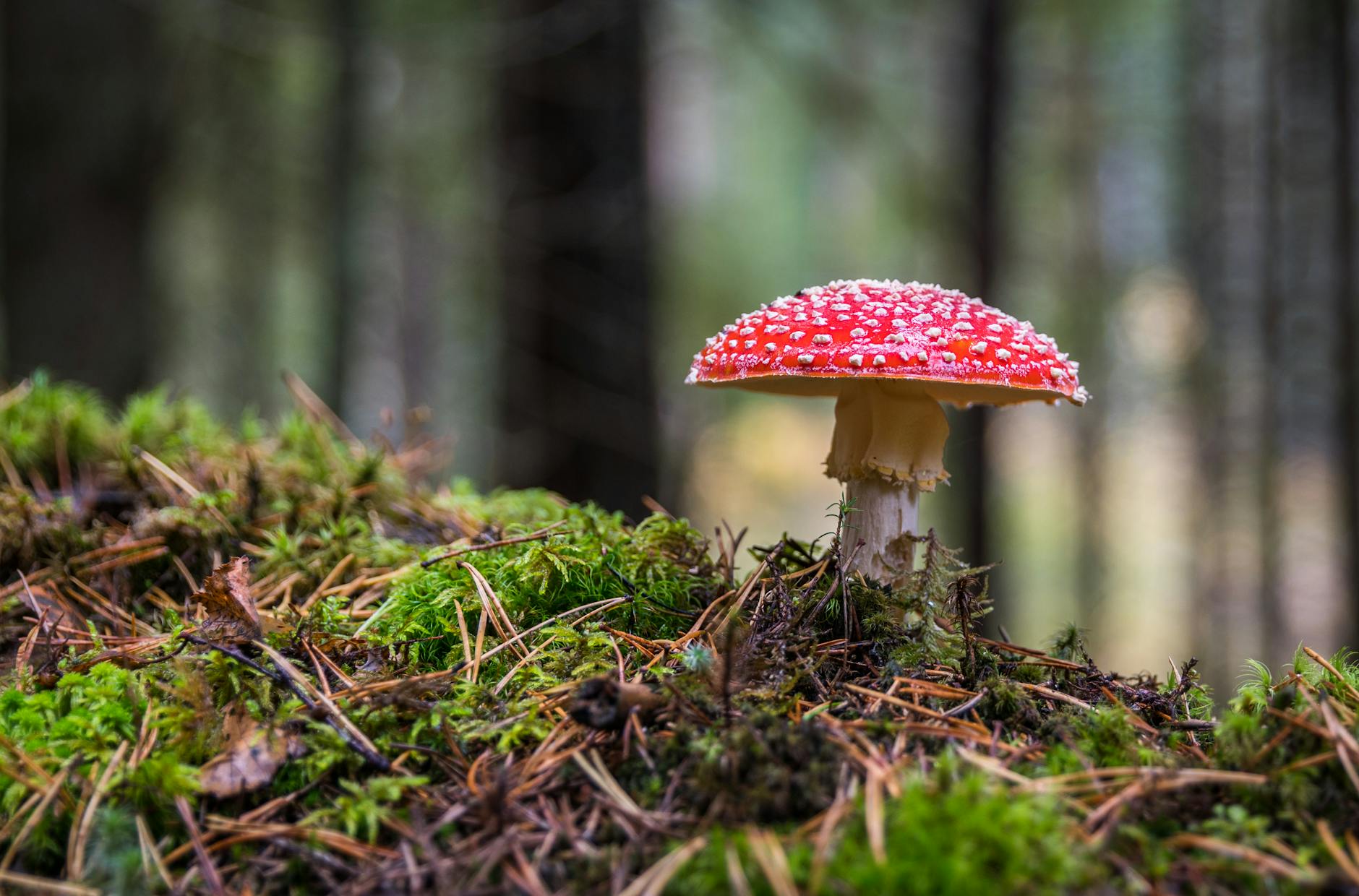
Psilocybin: Also known as “Magic Mushrooms”, Psilocybin is derived from mushrooms of the genus “Psilocybe”. It has long been used by the indigenous people of Mexico more commonly known as the Mazatec tribe. A single dose of Psilocybin is reported to provide a transcendental experience to the user. Modern research is showing promising results in alleviating the pain and fears of cancer patients.
MDMA: Also known as “Ecstasy”, MDMA is a chemical compound derived from the parts of the “Sassafras” tree. It is also one of the first psychedelic compounds to be legalized in North America. Rick Doblin, a prominent MDMA enthusiast, is responsible for cutting-edge research in this field and is the founder of MAPS (Multidisciplinary Association for Psychedelic Studies), a non-profit organization. Canada and the United States have different outlooks on psychedelics and psychoactive compounds. While the United States regulations still make it hard to legalize psychedelics, Canada has a more open approach toward these compounds. MAPS Canada is conducting groundbreaking research with cannabis and other psychedelics, thanks to the generous regulations and availability of these products in Canada.
Mescaline: Also known as “Peyote”, Mescaline is a compound derived from cacti like the Peyote cactus and San Pedro cactus found in Southwestern USA, Mexico, and South America.
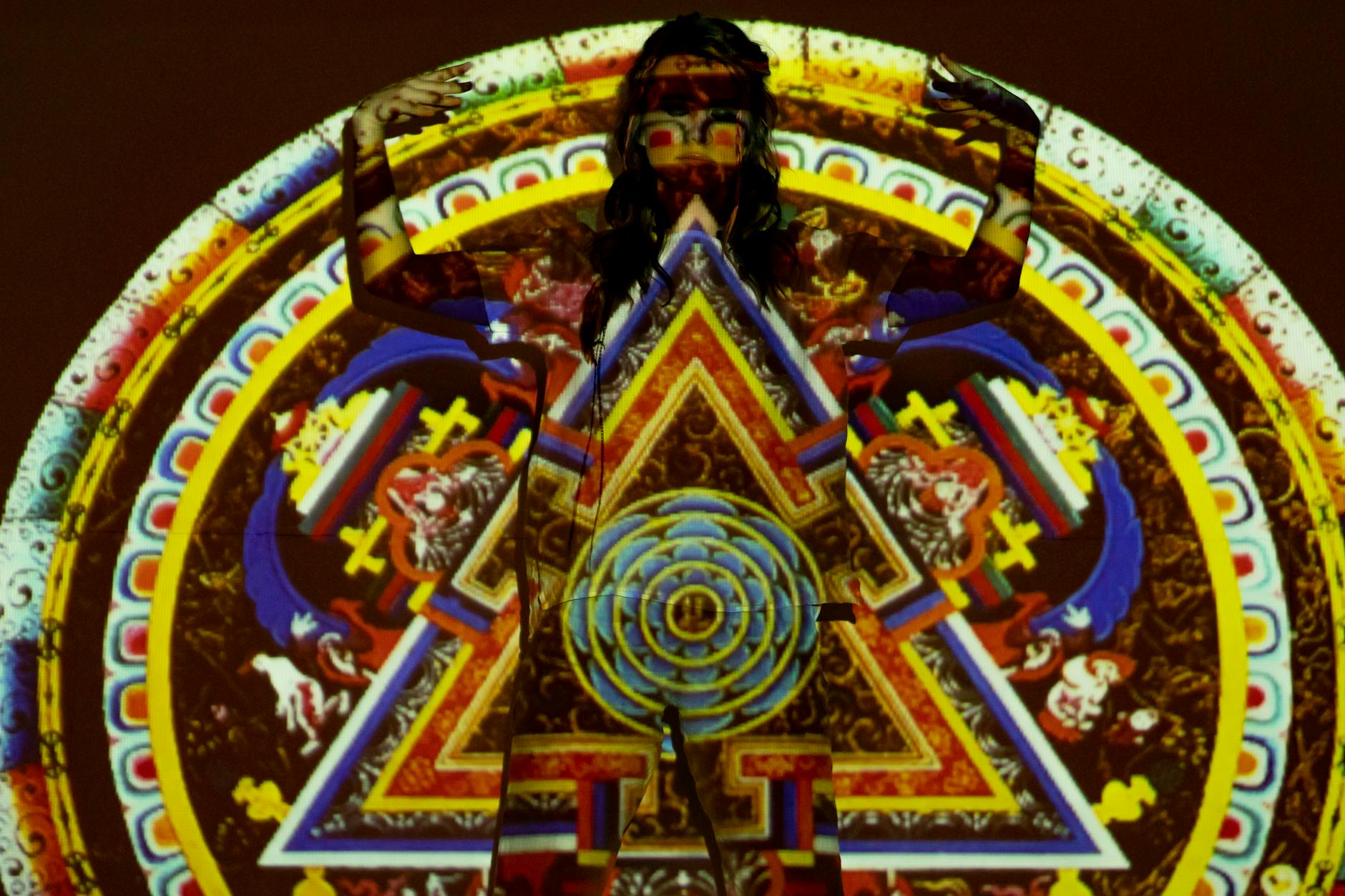
From the ceremonial use of psilocybin mushrooms in Mesoamerica to the discovery of LSD in the 20th century, these compounds have intrigued humanity. Modern research highlights their potential in treating mental health disorders and enhancing creativity. LSD has shown promising results in the world of psychiatry when it comes to treating mental health issues like depression, anxiety, PTSD, ADHD, and OCD. In the recent clinical trials with LSD, subjects reported transcendental experiences in their first use itself and experienced positive benefits regarding their health. Similarly, Psilocybin has shown tremendous benefits for people with terminal illnesses like cancer and AIDS. A single dose of Psilocybin is proven to alter consciousness and approach to life.

Despite the amazing benefits of psychedelics, it is difficult to control their demand and consumption. It’s akin to possessing nuclear weapons and claiming moral superiority. Psychedelics and other products like cannabis are double-edged swords, posing a much greater threat to the general public compared to troubled minorities. Throughout history, there have been instances when research escaped laboratories. LSD and Psilocybin-related products gave rise to the hippie culture of the 1960s. This led to a trend where young people spent their time hallucinating about the concept of a free world. Similarly, the uncontrolled use of MDMA/ecstasy led to the emergence of rave parties in the late 1980s. People began using ecstasy as a means to escape from reality and their true emotions. Ecstasy provided a way to numb their emotions and experience a world where everything seemed wonderful, shielding them from the fear of losing loved ones. Another product in this league is Cannabis also known as marijuana, weed, pot, hemp, hashish, and bhang. It is readily available to the public for recreational purposes. Cannabis stores have outnumbered our beloved Tim Hortons in Canada. Despite the claims of cannabis enthusiasts about the benefits of CBD oil and weed in general, it is as harmful as tobacco, smoking, and alcohol. These are habit-forming substances that can spiral out of control and pose a much greater threat to humanity than benefits. Whether we will be able to maintain strict regulation of psychedelic substances or history will repeat itself, only time will tell. Meanwhile, let’s educate ourselves and try to make responsible choices for our health and mental well-being.
 mindful-echoes