Have you too noticed that people are talking more and more about generational differences these days? It’s not just a coincidence – there’s a fascinating reason behind all the buzz! It’s because the two major generations, namely millennials and Gen Z, have vastly different opinions on every single matter. These two generations make up a significant portion of our current workforce and will continue to shape global trends and economies for a long time. I got curious to learn more about the different generations, including when they began and ended, and their unique characteristics. Here’s what I found on the internet, our one and only trusty information hub!

The Centre for Generational Kinetics says that “A generation is a group of people born around the same time and raised around the same place. People in this “birth cohort” exhibit similar characteristics, preferences, and values over their lifetimes.” If we start from the last century we have had 7 generations so far. A clear timeline is given by the University of Southern California.
1. The Greatest Generation – born 1901-1924.
The Greatest Generation endured the Great Depression and fought in World War II, fostering resilience and a strong work ethic. They valued duty, sacrifice, and loyalty, often prioritizing community over individualism, shaping post-war prosperity, and rebuilding societies with their grit and determination.
2. The Silent Generation – born 1925-1945.
The Silent Generation witnessed the aftermath of World War II and the Cold War tensions. They embraced conformity, traditional values, and stability. Growing up during economic recovery, they followed the ideals of their predecessors to a major extent. Their values revolved around prioritizing family and career, with a strong emphasis on hard work, loyalty, and thriftiness, while putting less emphasis on social change.

3. The Baby Boomer Generation – born 1946-1964.
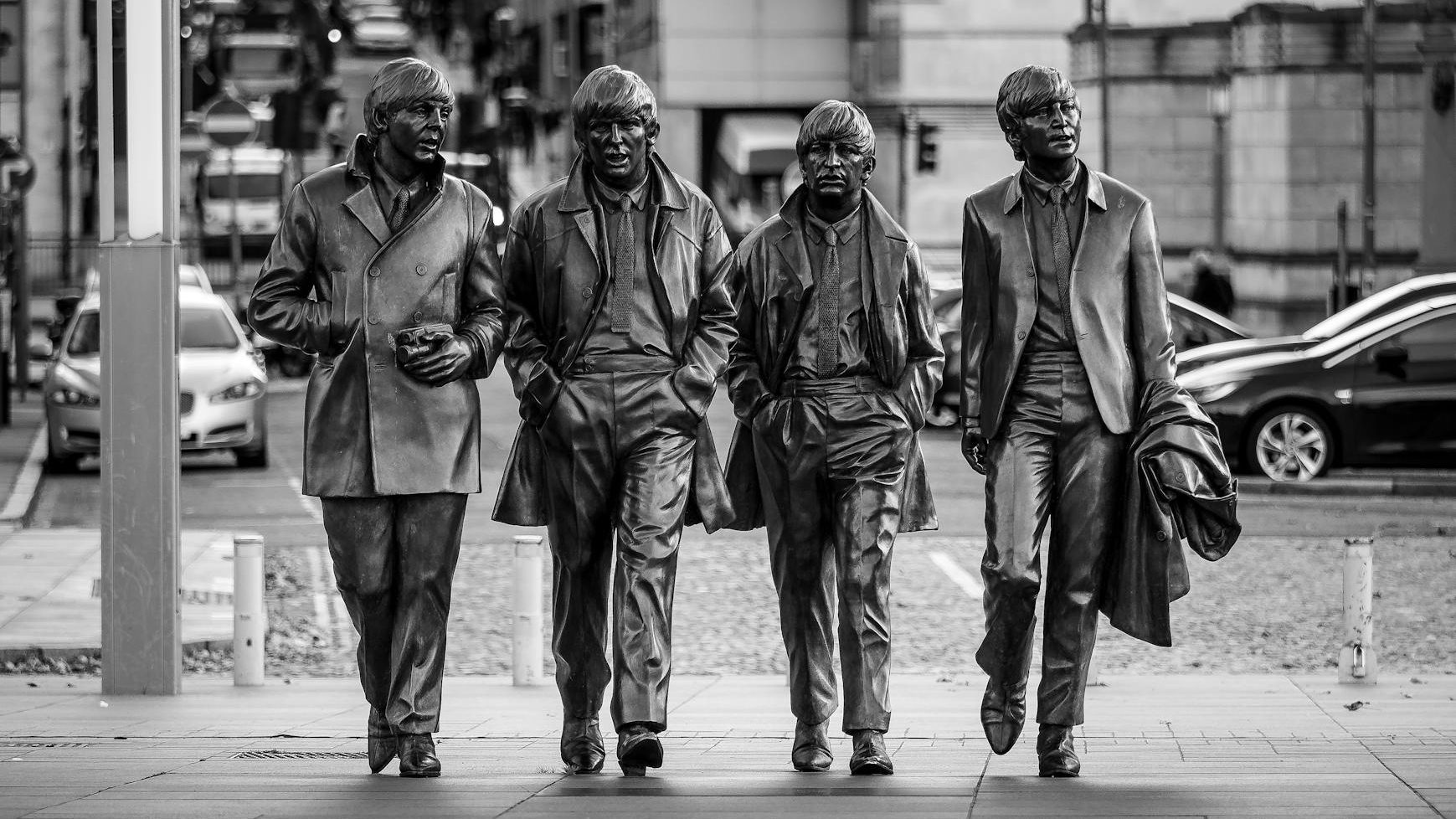
The Baby Boomer Generation experienced economic growth, the Civil Rights Movement, and the Vietnam War era. Influenced by post-war optimism, they rebelled against traditional norms, championing social change, individualism, and self-expression. They shaped cultural revolutions in music, fashion, and activism, challenging authority and advocating for peace. It’s impossible to forget this generation, as it’s marked by the unforgettable music of the Beatles and the iconic bell-bottom pants that will always remain etched in our memories.
4. Generation X – born 1965-1979.
Generation X grew up amidst economic uncertainty, witnessing the oil crisis and the end of the Cold War. Skeptical of institutions and disillusioned by societal upheavals, they embraced independence, resilience, and adaptability. They pioneered technological advancements, shaped the digital age, and prioritized work-life balance and self-reliance.
5. Millennials – born 1980-1994.
Millennials came of age during rapid globalization, the rise of the internet, and economic instability. The 2008 recession had a profound impact on millennials, shaping their financial outlook, career trajectories, and societal views. Many millennials entered the workforce or were pursuing higher education during or shortly after the recession, facing a challenging job market with limited opportunities and stagnant wages. As a result, a significant portion of this generation experienced financial insecurity, high levels of student debt, and delayed milestones such as homeownership and starting a family. Witnessing the instability of traditional employment models, many millennials sought alternative career paths such as freelancing, entrepreneurship, or the gig economy. The three most prominent characteristics of millennials, like me, are their tech-savvy nature, diverse backgrounds, and social awareness. We are dedicated to fostering collaboration and innovation while promoting work flexibility, social justice, and sustainability. Through these values, millennials strive to create positive social impact and transform industries for the better.



6. Generation Z – born 1995-2012.
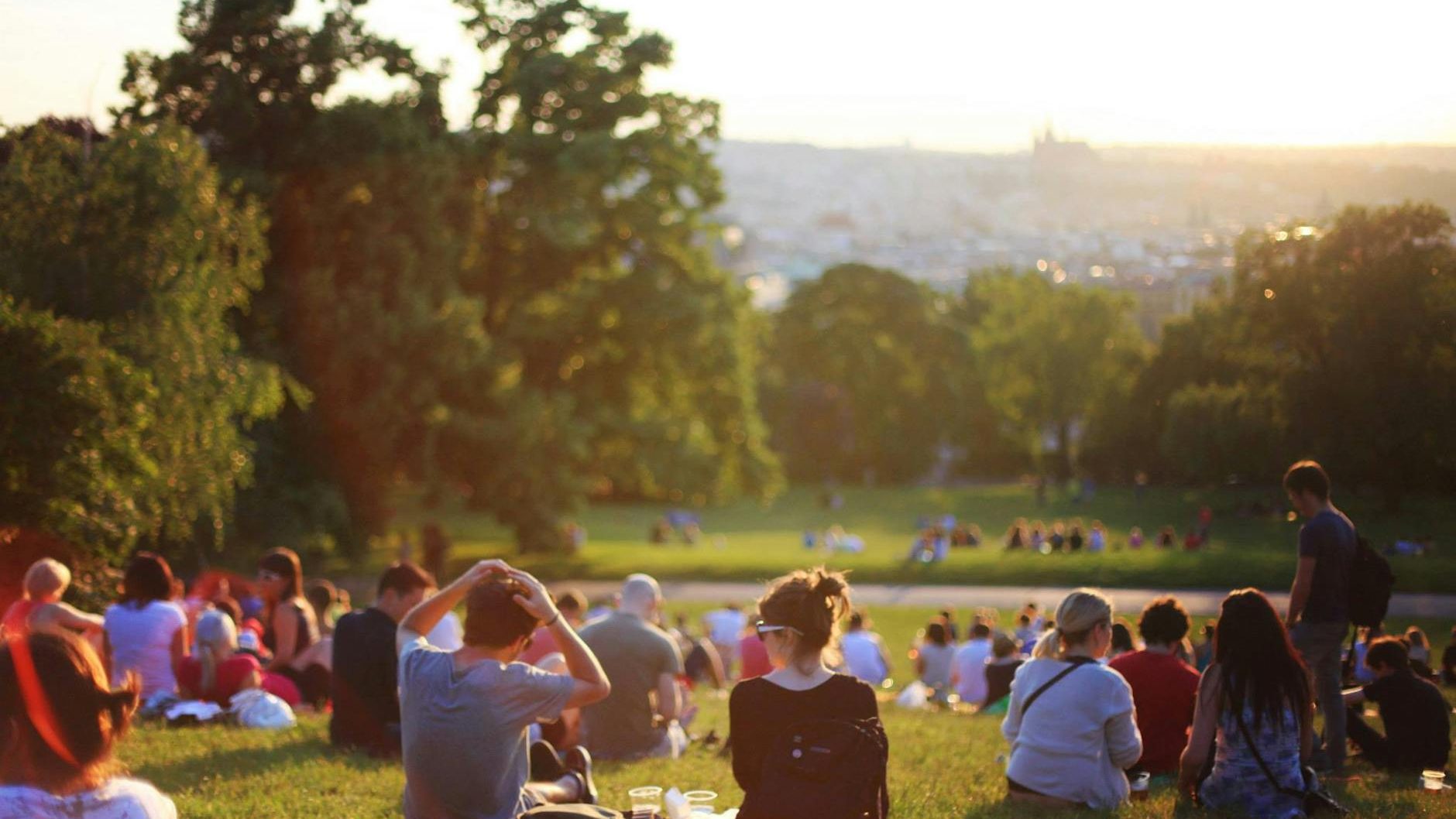
Generation Z or Gen Z is the first fully digital-native generation, growing up amidst terrorism threats, economic uncertainty, and social media proliferation. They are characterized by their technological proficiency, entrepreneurial spirit, and global connectivity. Embracing diversity and individuality, they prioritize authenticity, social activism, and digital innovation. Some critics argue that Gen Z exhibits some traits of entitlement and instant gratification which stems from the culture of immediacy fostered by technology and consumerism. Intolerance, hypersensitivity, and lack of resilience are some other traits that have been pinned on the still naïve and young Gen Zeers. The actions and decisions of the current generation will be instrumental in shaping our future world, and we eagerly await the positive impact they will bring in the years to come.
7. Gen Alpha – born 2013-2025.
Gen Alpha is still emerging, but they are already influenced by rapid technological advancements, environmental concerns, and shifting family dynamics. Growing up in a hyper-connected world, they are expected to be even more tech-dependent, diverse, and socially conscious, shaping the future with their digital fluency and global perspective. The 2020 pandemic had a significant impact on Gen Alpha, shaping their experiences and skillset. As they continue to grow and develop, the long-term effects of the pandemic on this generation remain to be seen.
As we reflect on the unique experiences and characteristics of each generation, let us envision a future guided by honesty, integrity, and empathy toward one another. With a shared commitment to understanding, respect, and global peace, we can strive towards a better world filled with positive outcomes for all. It’s hard to predict how our future world will be shaped, but we can hope for the best. Let’s keep our fingers crossed and keep working towards a better tomorrow.
 mindful-echoes
One Comment Add yours